


Mediterranean Diet Protein Foods List Volume 3: Plant-Based

As a dietitian, I love to summarize the Mediterranean Diet with this simple framework:
Lean protein + Fiber-rich carbs + Healthy fats
Protein is an important part of this eating pattern because it helps support:
✔️ Muscle health and strength
✔️ Satiety and appetite control
✔️ Healthy aging
✔️ Blood sugar balance
✔️ Sustainable weight management
The goal is not necessarily to eat excessive amounts of protein, but to include quality protein sources consistently throughout the day.

For many adults, especially as we age, adequate protein intake becomes even more important for helping preserve muscle mass, mobility, recovery, and overall wellness.
General Protein Recommendations (g/kg)
These are practical, evidence-aligned ranges often used clinically:
Population | Protein Recommendation |
General healthy adults | ~0.8 – 1.0 g/kg/day |
Active adults | ~1.2 – 1.6 g/kg/day |
Strength training/muscle goals | ~1.6 – 2.2 g/kg/day |
Older adults (muscle preservation) | ~1.0 – 1.2+ g/kg/day |
Weight loss/appetite support | ~1.2 – 1.6 g/kg/day |
Example:
A person weighing 70 kg (154 lb):
General health: ~56–70 g/day
Active lifestyle: ~84–112 g/day
Protein Per Meal Recommendations
Rather than eating most protein at dinner, it’s often more beneficial to distribute protein evenly across meals.
Practical Target:
~20–35 g protein per meal for general adults
Higher end (~30–40 g) may benefit:
active adults,
older adults,
people focused on muscle maintenance,
or those trying to improve fullness/satiety.
Mediterranean Diet Protein Foods List Volume 3: Plant-Based
This guide highlights common Mediterranean Diet-friendly plant-based foods, along with their calories, protein content, and easy ideas for enjoying them.
Benefits of Plant-Based Proteins
✔️ Provide protein to support muscle, recovery, and fullness
✔️ Rich in fiber to support digestion and regularity
✔️ Help promote steadier blood sugar and longer-lasting fullness
✔️ Provide vitamins, minerals, and polyphenols
✔️ Add variety to a balanced, plant-forward eating pattern
💡 Dietitian Tip: Most plant proteins do not need to be carefully combined at every meal. Focus on eating a variety of beans, lentils, peas, soy foods, nuts, seeds, and whole grains throughout the day to help meet your protein and amino acid needs.
1. Lentils

2. Chickpeas (Garbanzo Beans)

3. Black Beans

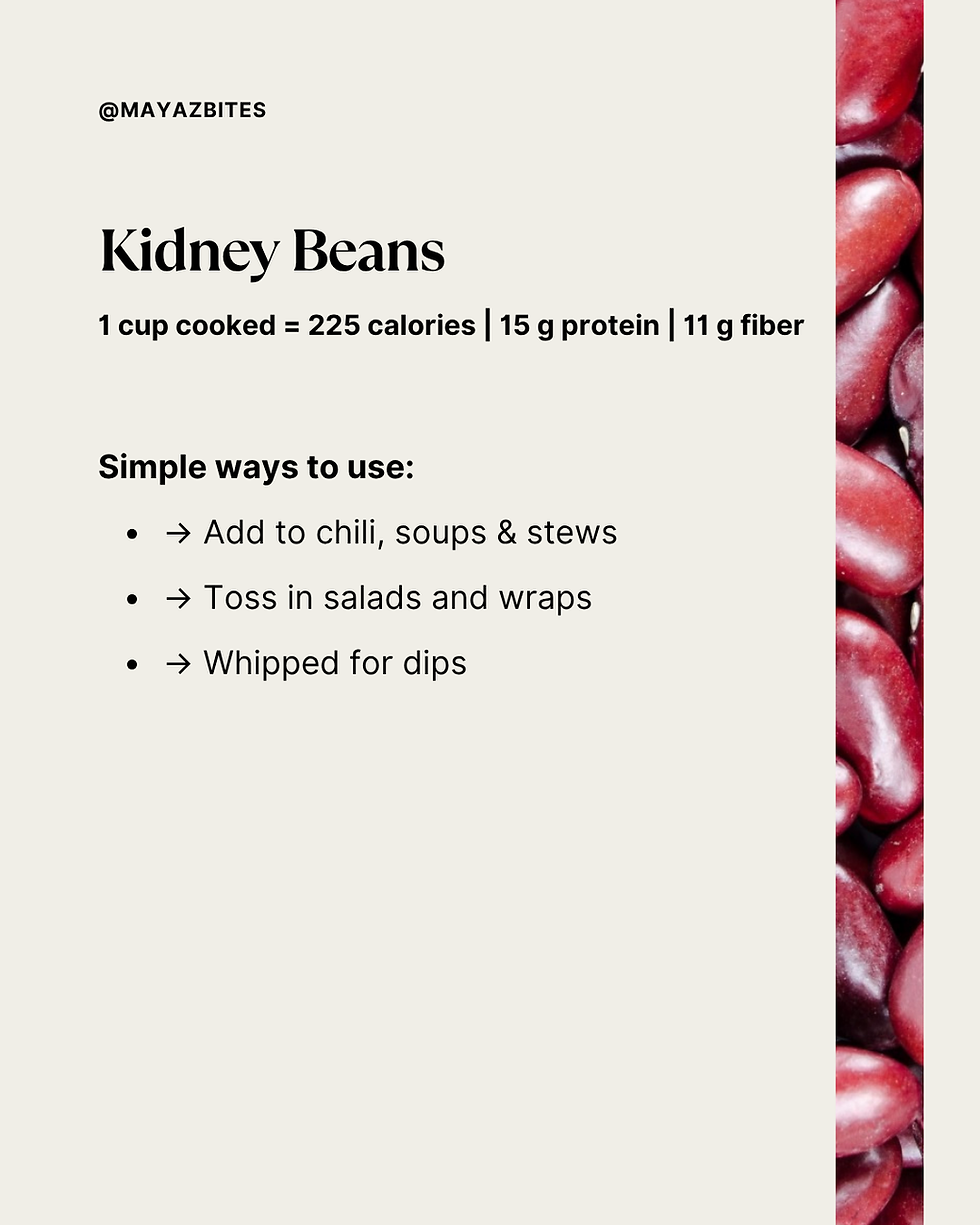
4. Kidney Beans
5. Navy Beans

6. Great Northern Beans

7. Split Peas

8. Fava Beans (broad beans)

9. Edamame (Cooked Soybeans)

What Is the Mediterranean Diet?

How to Build a Balanced Mediterranean Diet Plate

Start Simple, Stay Consistent
With flexible, balanced meals built around whole ingredients, you’ll be able to stay full, feel energized, and take care of your health without giving up flavor or variety.
Bookmark this page and use this as a rotating framework to build consistency and momentum. Healthy eating doesn’t have to be perfect, just intentional.
Mediterranean Diet Meal Plans:


Mediterranean Diet Shopping List:

Explore More: Mediterranean Diet Food Lists (Volumes 1–5)
Looking to build your Mediterranean pantry or refresh your grocery list? Browse these dietitian-approved food lists to discover what to stock up on.
Each list contains a selection of 10 items, including nutrition benefits highlights and simple ways to use.


Want More Mediterranean Diet Resources and Recipes?
Looking for more support on your healthy eating journey? Bookmark this post and explore others for comprehensive Mediterranean Diet resources and expert advice. Don't forget to check my social media and follow @Mayazbites


Comments