


Dietitian-Approved Mediterranean Diet Chicken & Veggie Rice Bowl

Support your wellness naturally
The Mediterranean diet is a flexible, evidence-based framework you can apply to simple, practical meals that support consistency.
At its core, this approach focuses on building balanced meals with everyday ingredients:
The Mediterranean Plate Framework
Lean protein → chicken, tuna, salmon, eggs, Greek yogurt, legumes
Fiber-rich carbs → whole grains, beans, lentils, fruits, vegetables
Healthy fats → extra virgin olive oil, nuts, seeds, olives, avocado
When these three components are combined, meals are more structured, more satisfying, and easier to repeat throughout the week.
What makes this Chicken & Veggie Rice Bowl especially Mediterranean Diet aligned is its focus on whole, minimally processed foods and bold flavor from herbs, citrus, and spices instead of heavy sauces.
The combination of fresh produce, heart-healthy fats, and satisfying protein supports steady energy, fullness, and overall wellness while still feeling fresh and comforting.
It’s the kind of easy, everyday meal that feels wholesome without being complicated, perfect for lunch, dinner, or meal prep throughout the week.

This Dietitian-Approved Mediterranean Diet Chicken & Veggie Rice Bowl Is:
High in lean protein from chicken breast to support muscle repair, fullness, and steady energy levels.
Rich in fiber from mushrooms, romaine, tomato, onion, avocado, and rice, which helps support digestion, blood sugar balance, and satiety.
Contains heart-healthy fats from avocado and olive oil, key components of the Mediterranean diet that support cardiovascular health.
Packed with antioxidants and phytonutrients from colorful vegetables, parsley, paprika, and tomatoes, which help combat inflammation and support overall wellness.
Naturally nutrient-dense with important vitamins and minerals like potassium, vitamin C, folate, and magnesium from the vegetables and avocado.
Dietitian-Approved Mediterranean Diet Chicken & Veggie Rice Bowl

Mediterranean Chicken & Veggie Rice Bowl (2 Servings)
Ingredients
8 oz lean chicken breast
1 tsp paprika
1/2 tsp salt
1/4 tsp black pepper
1/4 tsp chili flakes (optional)
Juice of 1/2 lime or lemon
1 tsp olive oil (for cooking)
1 cup cooked jasmine rice
1 lb mushrooms, sliced
1 medium heirloom tomato, chopped
1 cup romaine lettuce, chopped
1/4 cup red onion, thinly sliced
1/2 avocado, sliced
1 tsp nigella seeds
1 tbsp fresh parsley, chopped
Lime wedges for serving
Directions
Season the chicken
Toss chicken with paprika, salt, pepper, chili flakes, and lime/lemon juice.
Cook the chicken
Heat olive oil in a skillet over medium heat. Cook chicken 4–5 minutes per side until fully cooked. Let rest, then slice.
Cook the mushrooms
In the same pan, sauté mushrooms for 8–10 minutes until browned and tender. Add a pinch of salt and pepper.
Build the bowl
Start with rice as your foundation, add romaine, mushrooms, tomato, red onion, avocado, and sliced chicken.
Finish & serve
Garnish with parsley and nigella seeds. Serve with fresh lime wedges.
Estimated Macros (Per Serving)
Calories: ~445 | Protein: 33g | Carbs: 32g | Fat: 18g | Fiber: 8g
Chicken Breast Nutrition Facts ( per 1 cup cooked, chopped )
Calories: 230 | Protein: 43g | Carbs: 0g | Fat: 5g
Packed with lean protein to help support muscle growth and recovery.
Naturally low in fat while still being filling and satisfying.
A great source of B vitamins, which help your body turn food into energy.
Easy to pair with grains, veggies, and healthy fats for balanced meals.
Chicken Breast Shopping Guide
Buying chicken breast can feel overwhelming with all the fresh, frozen, organic, and “all-natural” labels at the store, but the good news is that all of these options can fit into a healthy, balanced diet.
Fresh vs. Frozen Chicken Breast
Frozen chicken breast is just as nutritious as fresh chicken breast. In many cases, chicken is frozen shortly after processing, which helps lock in nutrients and freshness. Protein, vitamins, and minerals stay nearly the same whether you buy it fresh or frozen.
Frozen chicken can also:
Last longer in the freezer
Help reduce food waste
Be more budget-friendly
Make meal prep easier on busy weeks
What to Look for When Shopping
Choose skinless chicken breast for a leaner protein option
Look for minimal ingredients, ideally just chicken and water
“Air-chilled” chicken can have a firmer texture and less added moisture
Check sodium levels on pre-marinated or seasoned options
Organic and pasture-raised are personal preference choices, not nutrition requirements
Easy Ways to Use Chicken Breast
Rice bowls
Salads
Wraps
Pasta dishes
Sheet pan meals
Chicken breast is a simple, versatile protein that works well in Mediterranean-style meals because it pairs easily with vegetables, grains, herbs, olive oil, and fresh flavors.
How to Prepare Chicken Breast (Plus Food Safety Tips)
Chicken breast is one of the easiest proteins to cook once you know a few basics. Whether you’re baking, grilling, air frying, or pan-searing, the key is keeping it flavorful, juicy, and safely cooked.
Step 1: Prep the Chicken
Pat the chicken dry with paper towels for better browning
Trim excess fat if needed
Season with spices, herbs, citrus, olive oil, or marinades
Simple seasoning ideas:
Garlic + lemon + oregano
Paprika + chili flakes + lime
Italian seasoning + olive oil
Greek yogurt + garlic + dill
Step 2: Choose a Cooking Method
Pan-Seared
Cook over medium heat for about 4–6 minutes per side, depending on thickness.
Oven-Baked
Bake at 400°F for about 20–25 minutes.
Air Fryer
Cook at 375°F for 10–14 minutes, flipping halfway.
Grill
Cook over medium-high heat for about 5–7 minutes per side.
Step 3: Always Check the Temperature
For food safety, chicken should reach an internal temperature of 165°F in the thickest part of the breast. A meat thermometer is the easiest and safest way to check.
Important Food Safety Tips
Wash your hands before and after handling raw chicken
Avoid rinsing raw chicken in the sink, which can spread bacteria
Use separate cutting boards for raw meat and vegetables
Refrigerate chicken within 2 hours of cooking
Thaw frozen chicken safely in the fridge overnight — not on the counter
Cooked chicken lasts about 3–4 days in the refrigerator
Tips for Juicy Chicken Breast
Don’t overcook it
Let it rest for 5 minutes before slicing
Marinating can help add flavor and moisture
Using acids like lemon juice, lime juice, or vinegar in marinades can help tenderize the chicken and make it more flavorful
Evenly sized chicken breasts cook more consistently
Chicken breast is a great staple for balanced meals because it’s high in protein, easy to prepare in batches, and works with so many flavors and cuisines.
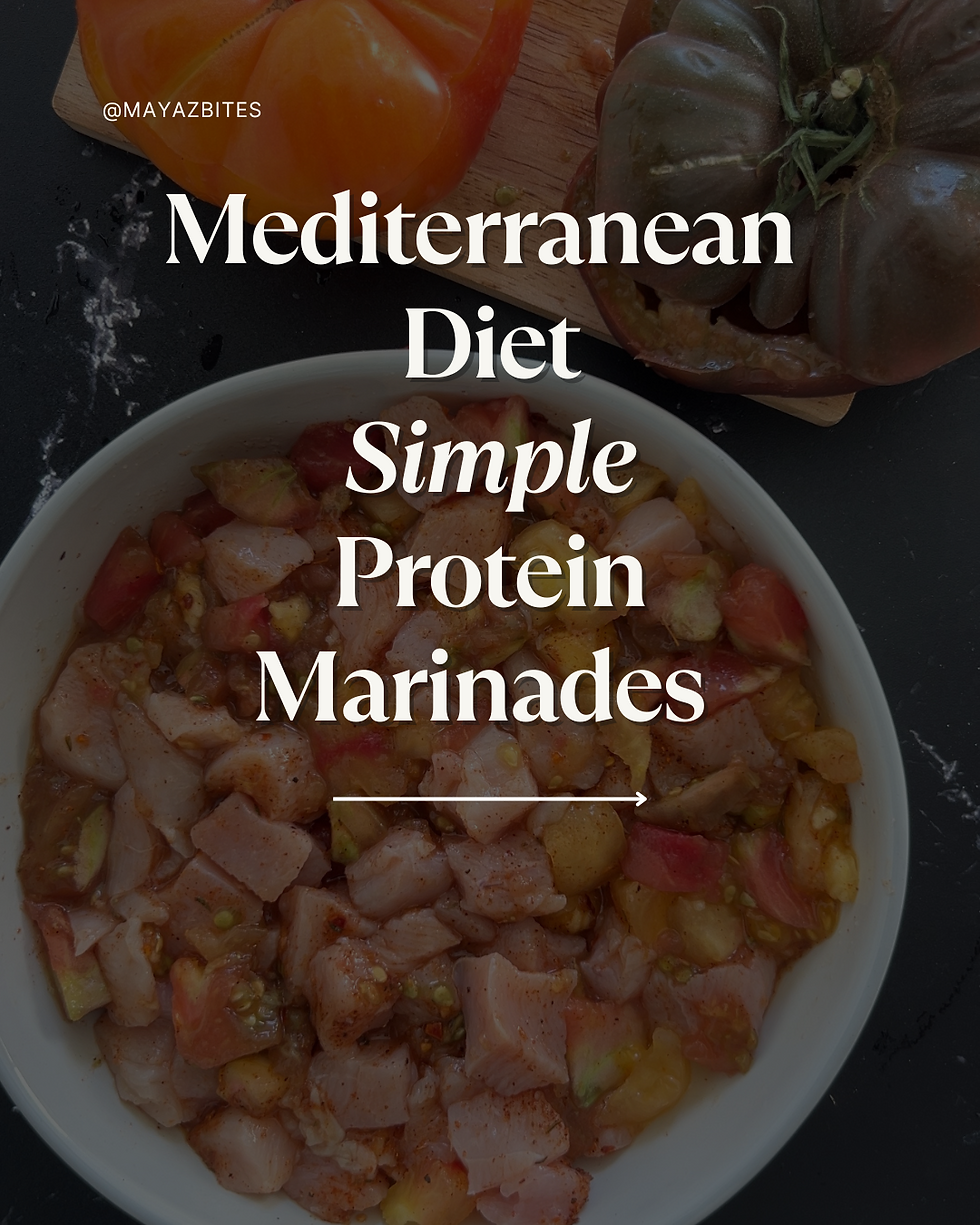
Elevate Your Meals with Simple Mediterranean Diet Protein Marinades
Looking for simple ways to add more flavor to your chicken meals? My guide on Elevate Your Meals with Simple Mediterranean Diet Protein Marinades
shares easy marinade ideas using herbs, spices, citrus, olive oil, and Mediterranean Diet staples.
Mediterranean Diet Healthy Cooking Methods
Cooking methods matter too. Learn simple ways to roast, sauté, grill, and build balanced meals in my post on Mediterranean Diet Healthy Cooking Methods.

You might also like:
Dietitian-Approved Mediterranean Diet Work Lunch Meals For Sustainable Weight Loss:

Looking for no-cook options?
Explore my Dietitian-Approved Mediterranean Diet No-Cook Meals for more simple combinations built with protein, fiber-rich carbs, and healthy fats, designed for busy schedules and easy repetition.

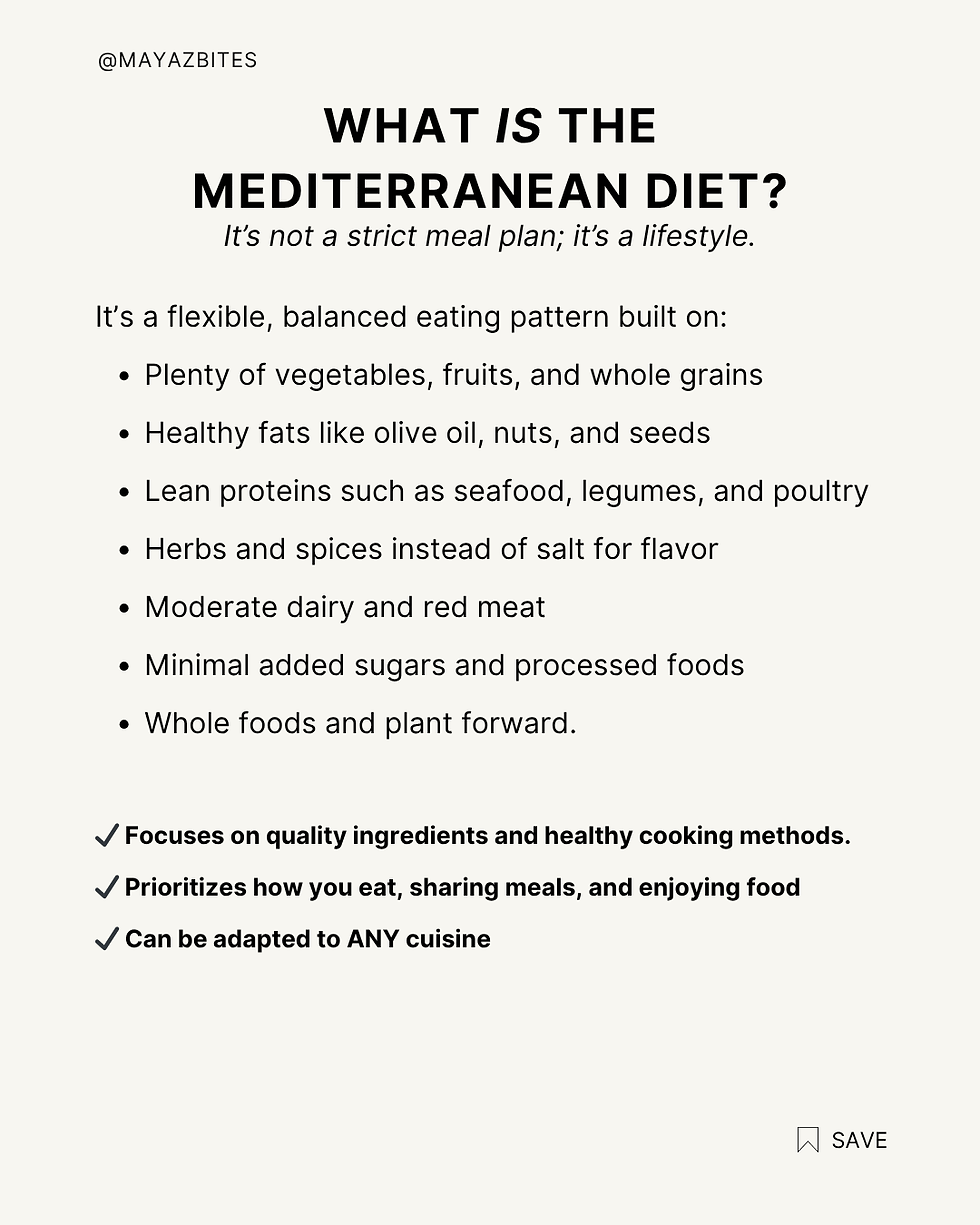
What Is the Mediterranean Diet?
How to Build a Balanced Mediterranean Diet Plate

Dietitian Tips: Build a Balanced Plate (No Cooking Required)
Use this simple Mediterranean framework to guide your meals:
1. Start with Protein
Supports satiety and helps structure your meals
Tuna, salmon, sardines
Rotisserie chicken
Greek yogurt or cottage cheese
Beans, lentils, edamame
2. Add Fiber-Rich Carbohydrates
Helps with fullness and steady energy
Chickpeas, lentils, white beans
Whole-grain bread or wraps
Quinoa, farro (pre-cooked options)
Fruits and vegetables
3. Include Healthy Fats
Adds flavor and supports overall balance
Extra virgin olive oil
Avocado
Nuts and seeds
Olives
💡 Dietitian Tip:
Aim to include all three components in each meal. This helps create structure and makes meals more satisfying without overcomplicating your routine.
Start Simple, Stay Consistent
With flexible, balanced choices built around whole ingredients, you’ll be able to stay full, feel energized, and take care of your health without giving up flavor or variety.
Bookmark this page and use it as a healthy snack reference guide to build consistency and momentum. Healthy eating doesn’t have to be perfect, just intentional.
Mediterranean Diet Meal Plans:


Mediterranean Diet Shopping List:

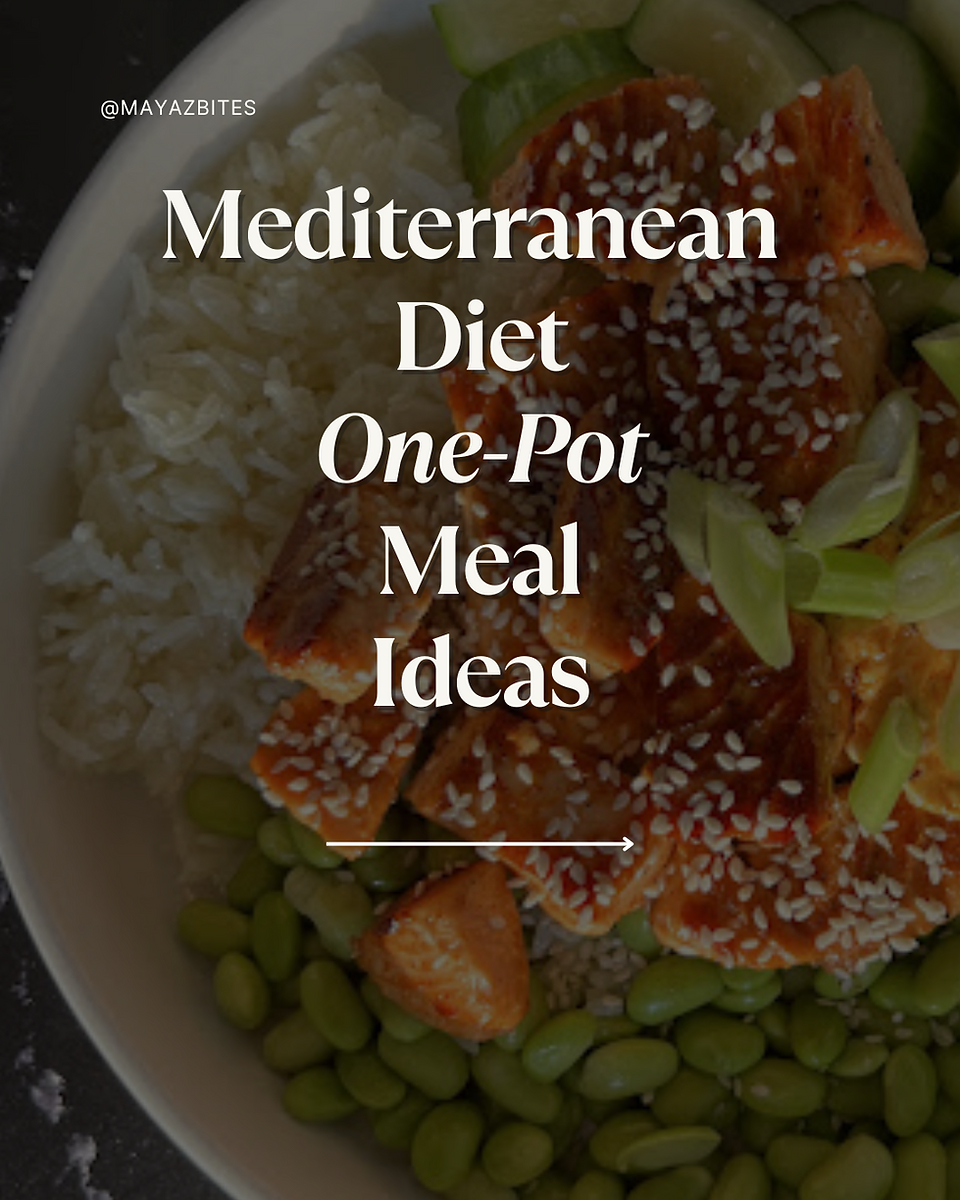
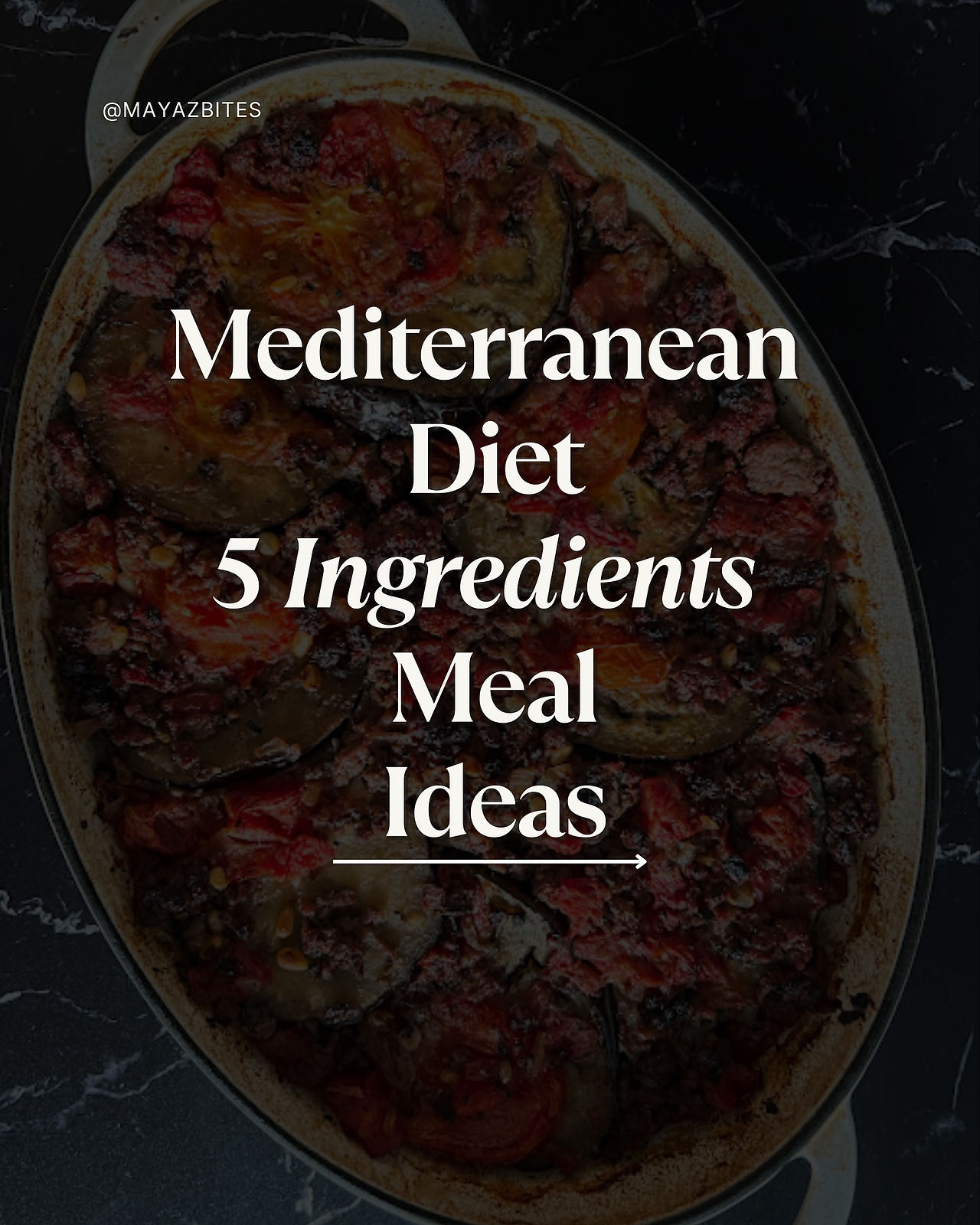
Other Mediterranean Diet Meal Ideas:




Explore More: Mediterranean Diet Food Lists (Volumes 1–5)
Looking to build your Mediterranean pantry or refresh your grocery list? Browse these dietitian-approved food lists to discover what to stock up on.
Each list contains a selection of 10 items, including nutrition benefits highlights and simple ways to use.


Want More Mediterranean Diet Resources and Recipes?
Looking for more support on your healthy eating journey? Bookmark this post and explore others for comprehensive Mediterranean Diet resources and expert advice. Don't forget to check my social media and follow @Mayazbites


Comments