


Dietitian-Approved Mediterranean Diet Breakfast Omelet Recipe

Support your wellness naturally
The Mediterranean diet is a flexible, evidence-based framework you can apply to simple, practical meals that support consistency.
At its core, this approach focuses on building balanced meals with everyday ingredients:
The Mediterranean Plate Framework
Lean protein → chicken, tuna, salmon, eggs, Greek yogurt, legumes
Fiber-rich carbs → whole grains, beans, lentils, fruits, vegetables
Healthy fats → extra virgin olive oil, nuts, seeds, olives, avocado
When these three components are combined, meals are more structured, more satisfying, and easier to repeat throughout the week.

Omelets are one of my favorite balanced breakfast options because they are quick, versatile, and an easy way to build a nutrient-dense meal in minutes.
This Mediterranean Diet Breakfast Omelet is a great example of a balanced plate loaded with nutrients from whole foods. As a registered dietitian, I love meals like this for supporting fullness, steady energy, and making healthy eating feel simple and sustainable.
Bell peppers add more than color and crunch to this omelet, they’re also packed with vitamin C.
Just 1 cup of chopped red bell pepper provides about 190 mg of vitamin C, which is more than twice the amount most adults need in a day.
Vitamin C helps support immune health, skin health, and also helps your body absorb iron from foods, making bell peppers a nutrient-dense addition to this balanced Mediterranean Diet breakfast.
Dietitian-Approved Mediterranean Diet Breakfast Omelet Recipe

Servings: 2
Ingredients
5 large eggs
1 tbsp olive oil
6 mini bell peppers, sliced
1 lb mushrooms, sliced
¼ cup diced onion
2 garlic cloves, minced
2 oz crumbled feta cheese
2 tbsp milled flaxseed
¼ tsp black pepper
Pinch of salt
2 slices whole wheat sourdough bread (served on the side)
Directions
Heat olive oil in a large skillet over medium heat.
Add mushrooms, bell peppers, and onion. Cook for 7–8 minutes until mushrooms release moisture and vegetables soften.
Add garlic and cook for 30 seconds.
Whisk eggs with flaxseed, black pepper, and salt.
Pour eggs into the skillet and cook until mostly set.
Sprinkle feta over the eggs until cooked through.
Toast sourdough bread and serve on the side.
Estimated Macros (Per Serving)
Calories: ~510
Protein: ~28 g
Carbohydrates: ~25 g
Fiber: ~8 g
Fat: ~33 g
1 Large Egg: Nutrition + Benefits
`~Calories: 70 | Protein: 6g | Carbs: 0g | Fat: 5g | Fiber: 0g
Vitamin B12: ~0.6 mcg → Supports energy production, brain function, and nerve health.
Vitamin D: ~1 mcg (40 IU) → Helps support bone strength and immune health.
Choline: ~145 mg → Important for brain health, memory, and liver function.
Selenium: ~15 mcg → Acts as an antioxidant and supports thyroid health.
Iron: ~0.9 mg → Helps transport oxygen throughout the body and supports energy.
Phosphorus: ~95 mg → Supports healthy bones, teeth, and cellular function.
Vitamin A: ~75 mcg RAE → Supports vision, skin health, and immune function.
Riboflavin (Vitamin B2): ~0.25 mg → Helps convert food into usable energy.
Folate: ~22 mcg → Supports cell growth and healthy development.
Eggs Shopping Guide
Choosing eggs at the grocery store can feel overwhelming, but most options come down to farming practices, grading, nutrition preferences, budget, and taste. Here’s a simple guide to help patients shop with confidence.
Egg Grades Explained
Egg grades focus on the quality and appearance of the egg, not necessarily nutrition.
Grade AA
Highest quality grade
Firm egg whites and rounded yolks
Best for frying or poaching where appearance matters
Grade A
Most common grocery store option
Slightly less firm whites than AA
Great for everyday cooking and baking
Grade B
Thinner whites and flatter yolks
Often used in liquid egg products or processed foods
Rarely sold in stores
Common Egg Labels Explained
Conventional Eggs
The most common and affordable option. Hens are typically raised indoors in standard housing systems.
Best for: Budget-friendly everyday use.
Cage-Free Eggs
Hens are not kept in cages and can move around indoors, though they may still live in crowded barns.
Best for: People looking for slightly improved animal welfare practices.
Free-Range Eggs
Hens have some access to the outdoors in addition to indoor housing.
Best for: Consumers prioritizing outdoor access for hens.
Pasture-Raised Eggs
Hens spend significant time outdoors with access to pasture and natural behaviors like pecking and foraging.
Benefits: Often richer in omega-3 fats and may have deeper-colored yolks.
Best for: Those prioritizing animal welfare and nutrient quality.
Organic Eggs
Produced by hens fed certified organic feed without synthetic pesticides or GMOs. Antibiotics are restricted and hens must have outdoor access.
Best for: Patients wanting organic farming practices.
Brown vs. White Eggs
The shell color does not change nutrition or quality. The color depends on the breed of the hen.
Brown eggs = usually more expensive due to farming costs
White eggs = equally nutritious
Omega-3 Enriched Eggs
Some eggs are fortified with omega-3 fatty acids through the hen’s feed.
Potential benefit: Supports heart and brain health.
Freshness Tips
Check the expiration or “sell by” date
Open the carton to inspect for cracks
Store eggs in the refrigerator, not the fridge door for best freshness
Budget-Friendly Tip
Nutrition differences between egg types are often small. If cost is a concern, conventional eggs are still a nutritious source of high-quality protein, vitamins, and minerals.
Easy Ways to Use Eggs
Hard-boiled snacks
Egg sandwiches or wraps
Added to grain bowls or salads
Scrambled with vegetables
Paired with whole grain toast and avocado for a balanced meal or snack
Important Food Safety Tips
Store eggs in the refrigerator at 40°F (4°C) or below to maintain freshness and reduce the risk of foodborne illness.
Keep eggs in their original carton instead of the refrigerator door to help maintain a consistent temperature.
Discard eggs with cracked or damaged shells.
Wash your hands, utensils, and surfaces after handling raw eggs.
Cook eggs until both the whites and yolks are firm to reduce the risk of Salmonella exposure.
Hard-boiled eggs can be stored in the refrigerator for up to 1 week.
Prepared egg dishes should be refrigerated within 2 hours.
When meal prepping, keep egg-based snacks chilled until ready to eat.
Check expiration or “best by” dates before purchasing or consuming eggs.
If unsure about freshness, place the egg in water: fresh eggs sink, older eggs float.
Mediterranean Diet Healthy Cooking Methods
Cooking methods matter too. Learn simple ways to roast, sauté, grill, and build balanced meals in my post on Mediterranean Diet Healthy Cooking Methods.

You might also like:
Dietitian-Approved Mediterranean Diet Work Lunch Meals For Sustainable Weight Loss:

Looking for no-cook options?
Explore my Dietitian-Approved Mediterranean Diet No-Cook Meals for more simple combinations built with protein, fiber-rich carbs, and healthy fats, designed for busy schedules and easy repetition.

What Is the Mediterranean Diet?
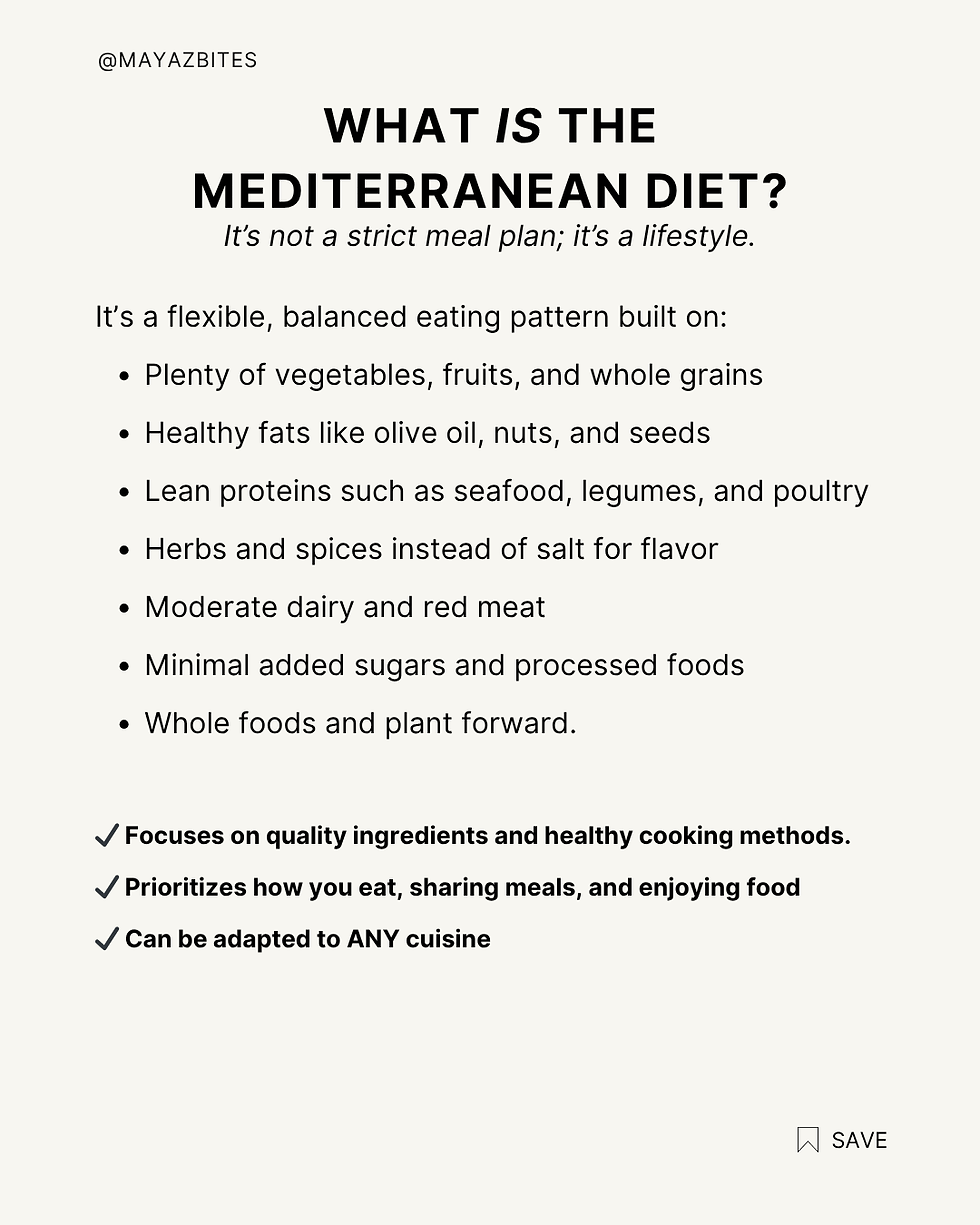
How to Build a Balanced Mediterranean Diet Plate

Dietitian Tips: Build a Balanced Plate (No Cooking Required)
Use this simple Mediterranean framework to guide your meals:
1. Start with Protein
Supports satiety and helps structure your meals
Tuna, salmon, sardines
Rotisserie chicken
Greek yogurt or cottage cheese
Beans, lentils, edamame
2. Add Fiber-Rich Carbohydrates
Helps with fullness and steady energy
Chickpeas, lentils, white beans
Whole-grain bread or wraps
Quinoa, farro (pre-cooked options)
Fruits and vegetables
3. Include Healthy Fats
Adds flavor and supports overall balance
Extra virgin olive oil
Avocado
Nuts and seeds
Olives
💡 Dietitian Tip:
Aim to include all three components in each meal. This helps create structure and makes meals more satisfying without overcomplicating your routine.
Start Simple, Stay Consistent
With flexible, balanced choices built around whole ingredients, you’ll be able to stay full, feel energized, and take care of your health without giving up flavor or variety.
Bookmark this page and use it as a healthy snack reference guide to build consistency and momentum. Healthy eating doesn’t have to be perfect, just intentional.
Mediterranean Diet Meal Plans:


Mediterranean Diet Shopping List:

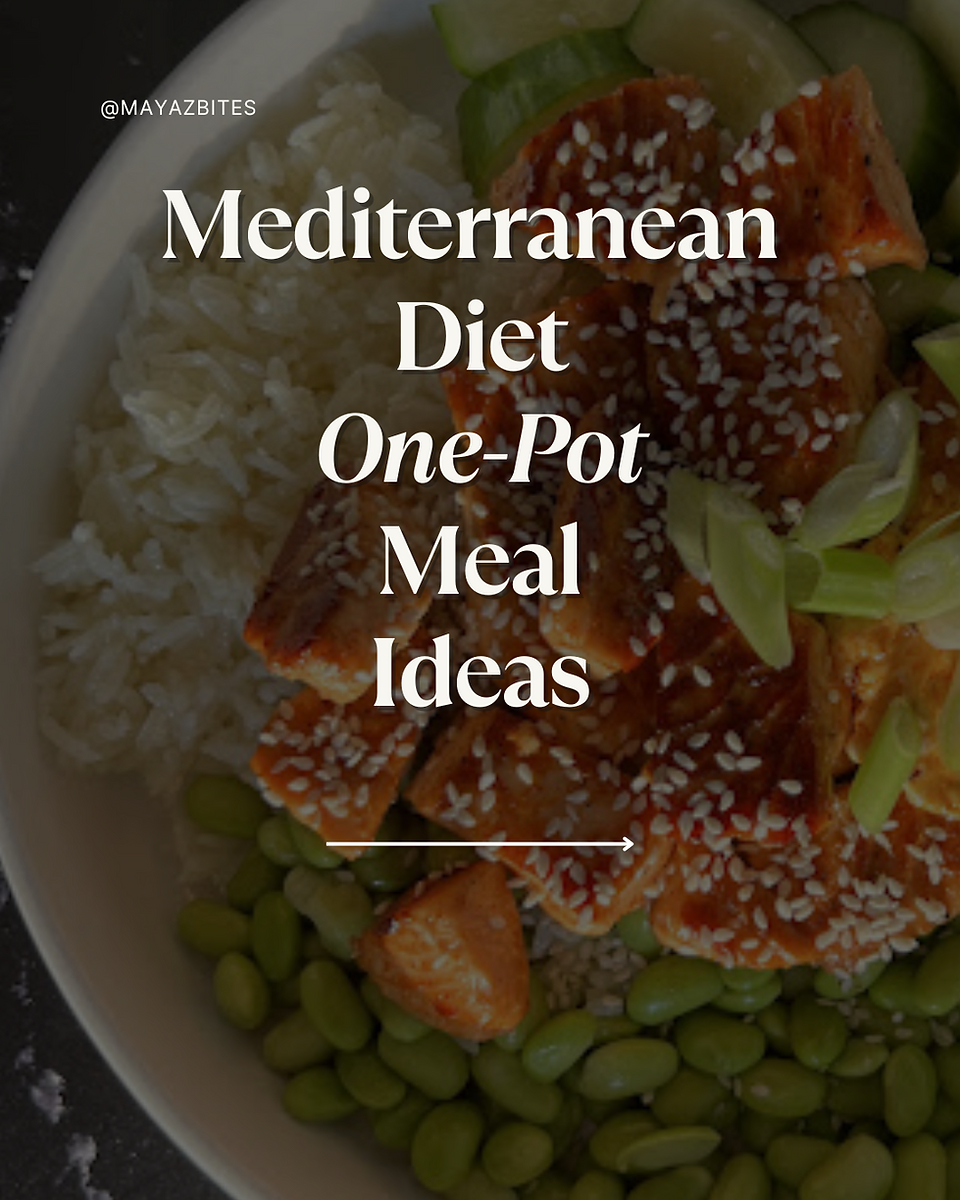
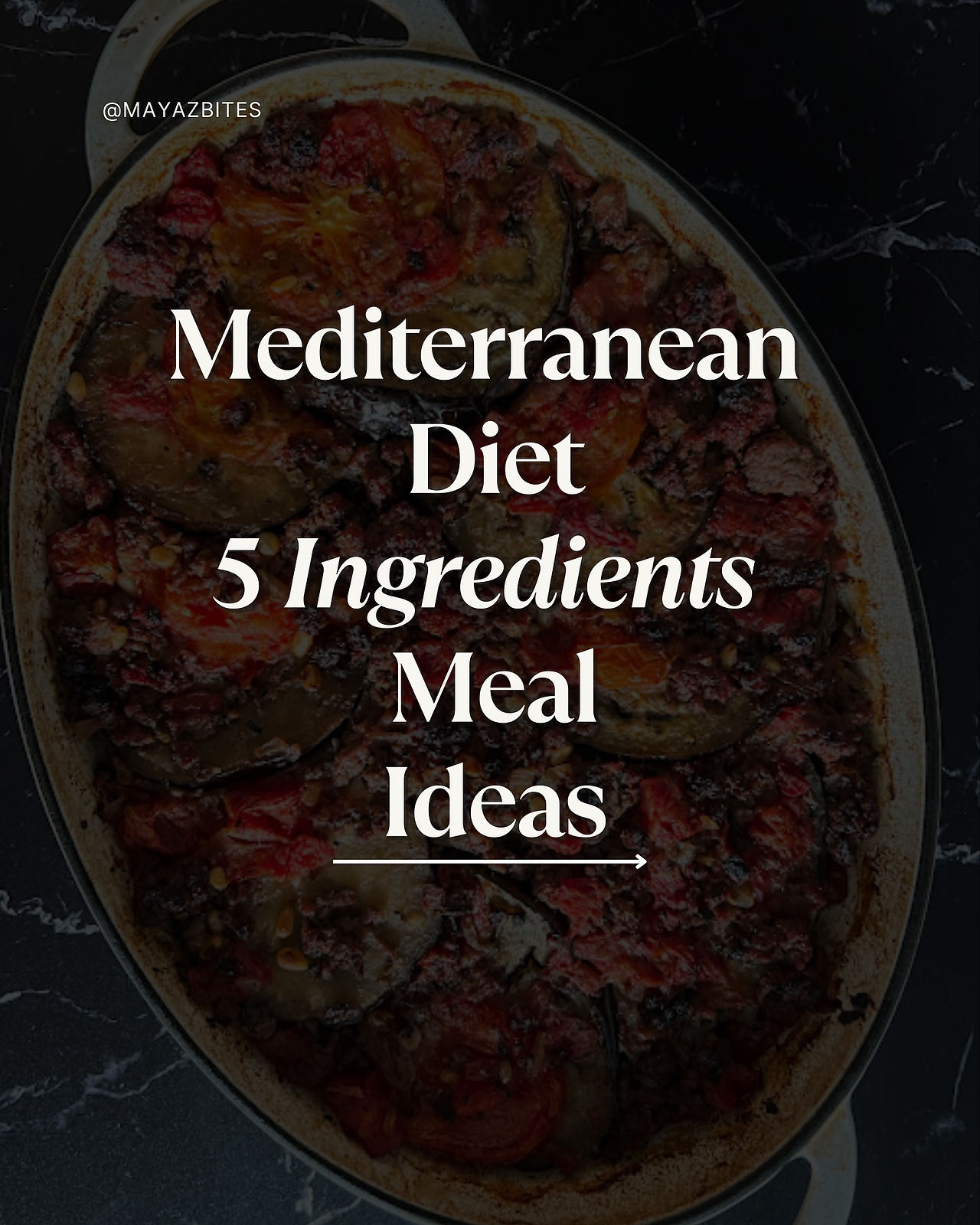
Other Mediterranean Diet Meal Ideas:




Explore More: Mediterranean Diet Food Lists (Volumes 1–5)
Looking to build your Mediterranean pantry or refresh your grocery list? Browse these dietitian-approved food lists to discover what to stock up on.
Each list contains a selection of 10 items, including nutrition benefits highlights and simple ways to use.


Want More Mediterranean Diet Resources and Recipes?
Looking for more support on your healthy eating journey? Bookmark this post and explore others for comprehensive Mediterranean Diet resources and expert advice. Don't forget to check my social media and follow @Mayazbites


Comments