


10 Mediterranean Diet Low-Sodium Seasoning Blends for Anti-Inflammatory Wellness 🌿

Support your wellness naturally
Eating well doesn’t require bland food or strict restriction.
It requires intentional flavor.
In the U.S., most adults consume far more sodium than recommended, often from packaged foods, sauces, and seasoning mixes. This excess can contribute to bloating, fluid retention, and long-term cardiovascular strain.
The Mediterranean Diet approaches flavor differently.
It builds taste from herbs, spices, garlic, and aromatics, not salt. The result is food that feels lighter, more satisfying, and easier on digestion, without sacrificing depth or enjoyment.
💡 Dietitian Tip: Save this collection of 10 blends as a practical healthy eating resource and follow for more Mediterranean Diet tools and expert advice.

Why Lower-Sodium Seasoning Matters
Reducing excess sodium supports whole-body wellness, especially when paired with a plant-forward eating pattern.
Key benefits include:
Less bloating & water retention
Improved blood pressure & heart health
More consistent daily energy
Support for kidney function
This isn’t about eliminating salt completely; it’s about shifting the flavor foundation.
10 Mediterranean Diet Low-Sodium Seasoning Blends for Anti-Inflammatory Wellness
1. Lemon Garlic Mediterranean Blend

2. Smoky Paprika Rub

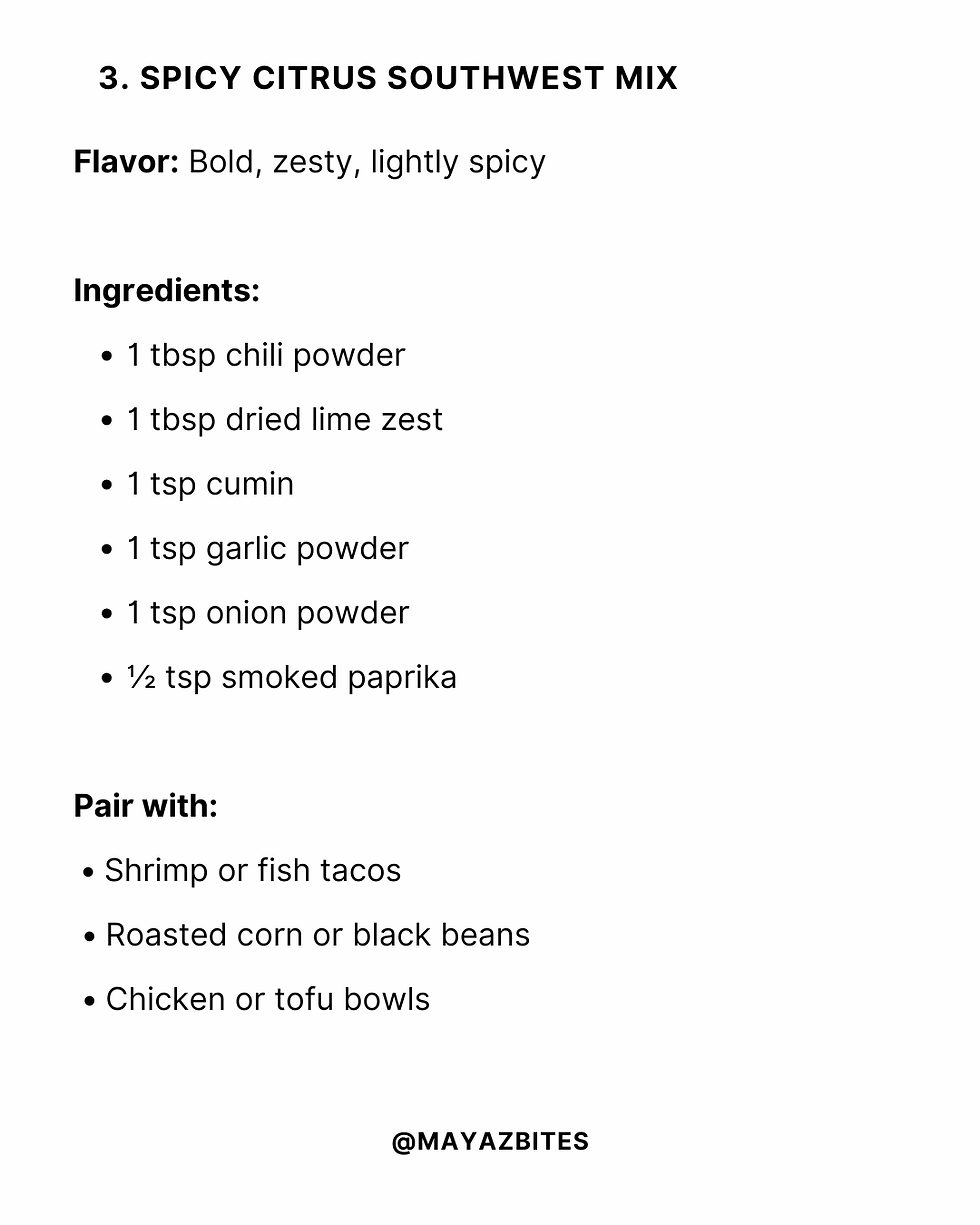
3. Spicy Citrus Southwest Mix
4. Provençal Garden Blend

5. Moroccan Harissa Blend

6. Copycat Ranch herb blend

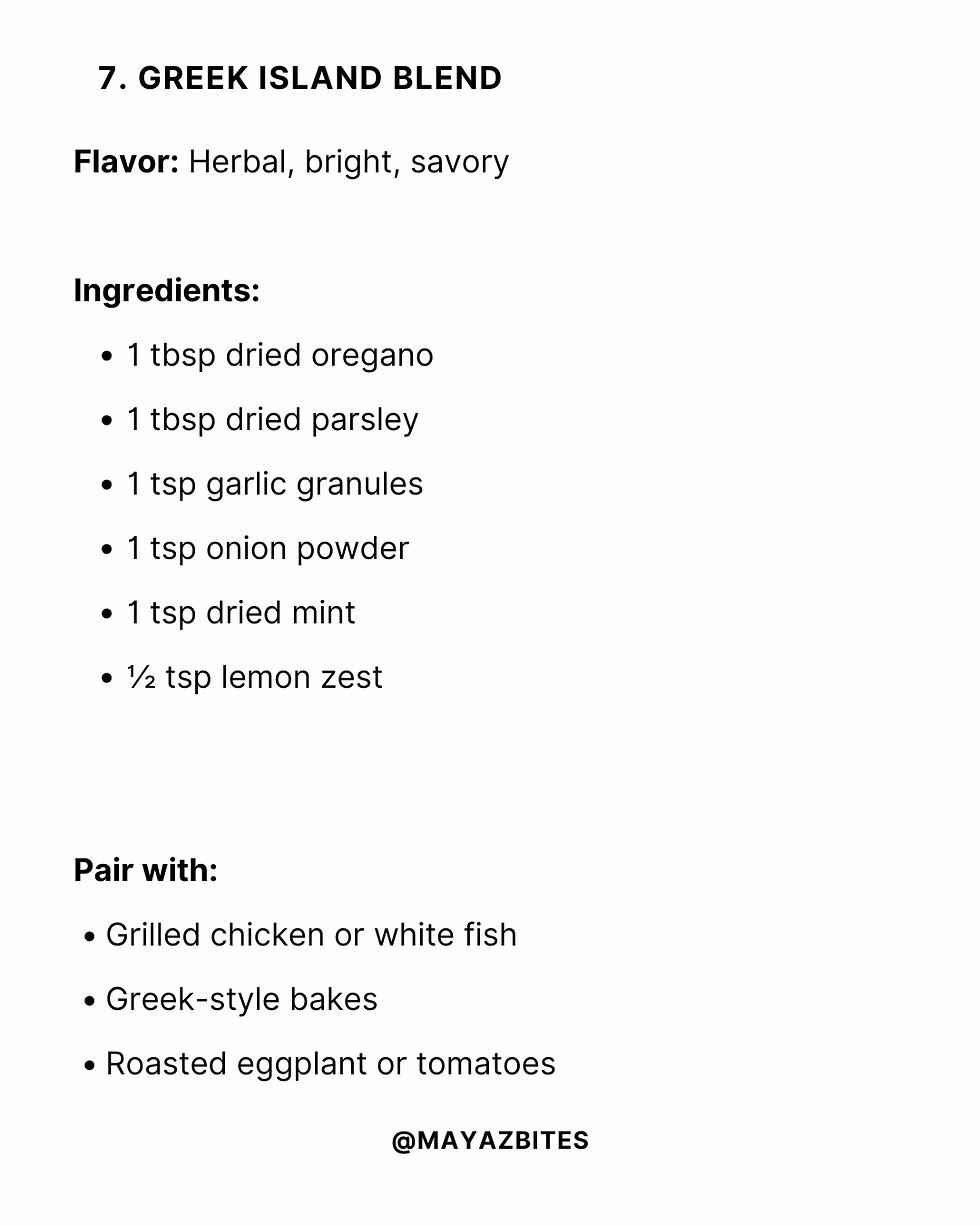
7. Greek Island Blend
8. Smokey BBq rub

9. Cajun-Inspired Blend

10. Crispy Veggie Shake

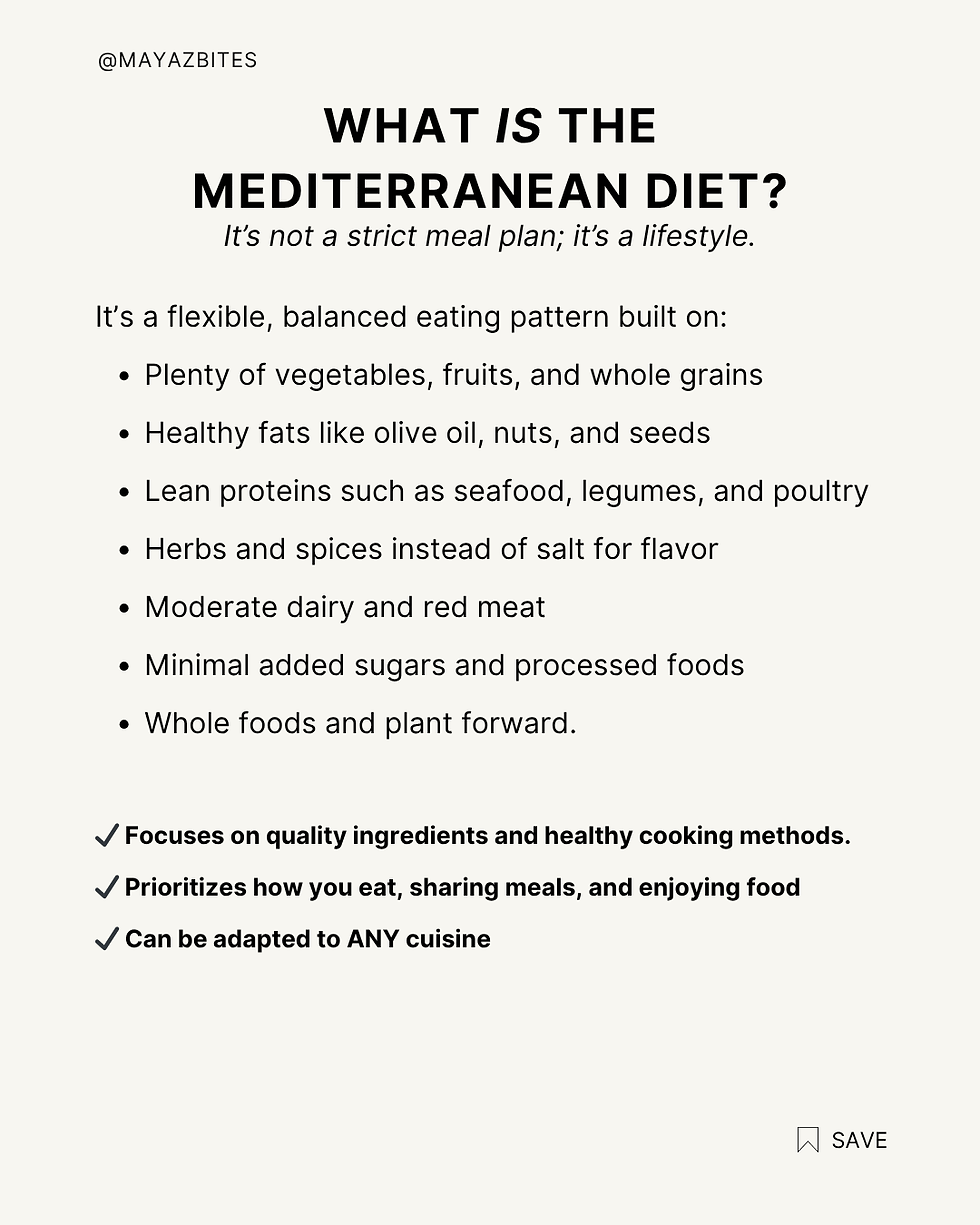
What Is the Mediterranean Diet?
How to Build a Balanced Mediterranean Diet Plate

Why do these Mediterranean Diet Seasoning Blends work?
These seasoning blends rely on ingredients that do more than enhance taste.
Herbs & spices → naturally anti-inflammatory and antioxidant-rich
Garlic & onion → support digestion and gut comfort
Flavor density → reduces reliance on salty sauces, dressings, and marinades
When meals are flavorful at the base, less sodium is needed overall. This supports comfort, digestion, and long-term adherence to healthy eating.

Common Questions + Dietitian Recommendations
1. Does sodium really cause bloating?
Yes. High sodium intake pulls water into the bloodstream and tissues, leading to fluid retention and abdominal bloating.
Dietitian recommendation:
Aim for ≤2,300 mg sodium/day (lower if advised by your provider)
Prioritize home-cooked meals seasoned with herbs and spices
Rinse canned beans and legumes to reduce sodium by up to ~40%
2. How much sodium do most Americans consume?
Most U.S. adults consume 3,400–3,600 mg per day, well above recommended levels—primarily from packaged foods, sauces, and restaurant meals.
Dietitian recommendation:
Read labels and choose products with ≤140 mg sodium per serving when possible
Use salt-free seasoning blends as your default
Add finishing salt sparingly only when needed
3. Will food still taste good without salt?
Yes, often better. Salt enhances flavor, but herbs, spices, garlic, citrus, and aromatics create depth and complexity without heaviness.
Dietitian recommendation:
Layer flavor: sauté garlic and onion in olive oil before adding spices
Use acid (lemon juice, vinegar, sumac) to brighten dishes
Toast spices briefly to intensify aroma and flavor
4. How do I batch and store low-sodium seasoning blends?
Batch-prepping blends saves time and makes healthy eating effortless.
Dietitian recommendation:
Mix ½–1 cup per blend using dried herbs and spices
Store in airtight glass jars away from heat and light
Label with the blend name and date
Use within 6–12 months for optimal potency
5. Who benefits most from lowering sodium?
Lower-sodium eating supports nearly everyone, but it’s especially helpful for those experiencing bloating, fatigue, or cardiovascular concerns.
Dietitian recommendation:
Focus on daily swaps, not elimination
Replace packaged seasonings with these Mediterranean Diet blends
Pair lower sodium intake with adequate potassium from fruits, vegetables, and legumes for fluid balance
Final Thought
Lowering sodium doesn’t mean sacrificing pleasure; it means upgrading how flavor is built.
Mediterranean-style seasoning blends support anti-inflammatory wellness, digestive comfort, and long-term heart health while keeping meals elegant, satisfying, and sustainable.
Mediterranean Diet Pantry Essentials
I know starting a Mediterranean-inspired kitchen can feel overwhelming, so I’ve put together my Amazon Essentials List to make it simple. These are the tools, pantry staples, and kitchen must-haves I personally use.
This is an affiliate link: https://amzn.to/4fParlr

Mediterranean Diet Amazon Fresh Shoppable Recipes:


Mediterranean Diet Meal Plans:


Mediterranean Diet Shopping List:

Explore More: Mediterranean Diet Food Lists (Volumes 1–5)
Looking to build your Mediterranean pantry or refresh your grocery list? Browse these dietitian-approved food lists to discover what to stock up on.
Each list contains a selection of 10 items, including nutrition benefits highlights and simple ways to use.


Want More Mediterranean Diet Resources and Recipes?
Looking for more support on your healthy eating journey? Bookmark this post and explore others for comprehensive Mediterranean Diet resources and expert advice. Don't forget to check my social media and follow @Mayazbites


Comments